

The short answer: the whole system drains, not just the grass
Artificial grass can shed rain effectively when its backing, prepared aggregate base, finished grades, collection points, and outlet work as one system. A permeable turf sample laid over compacted clay, a low spot, or an unclear outlet can still leave a wet, unstable yard. In the Lower Mainland, drainage design should be settled before colour, pile height, or product grade.
- Good candidate: a defined use area with workable access, stable edges, controllable grades, and a verified water path.
- Needs more investigation: recurring ponding, runoff toward a building, buried drainage uncertainty, settlement, or water arriving from outside the proposed area.
- Poor shortcut: covering a drainage problem and assuming holes in the backing will solve it.
Synthetic grass removes mowing and establishment watering, but it does not remove site work. For Surrey, Langley, and White Rock properties, the useful question is not simply “does turf drain?” It is “where does water go after it passes through or across this particular surface?”
First decide whether synthetic grass fits how the yard is used
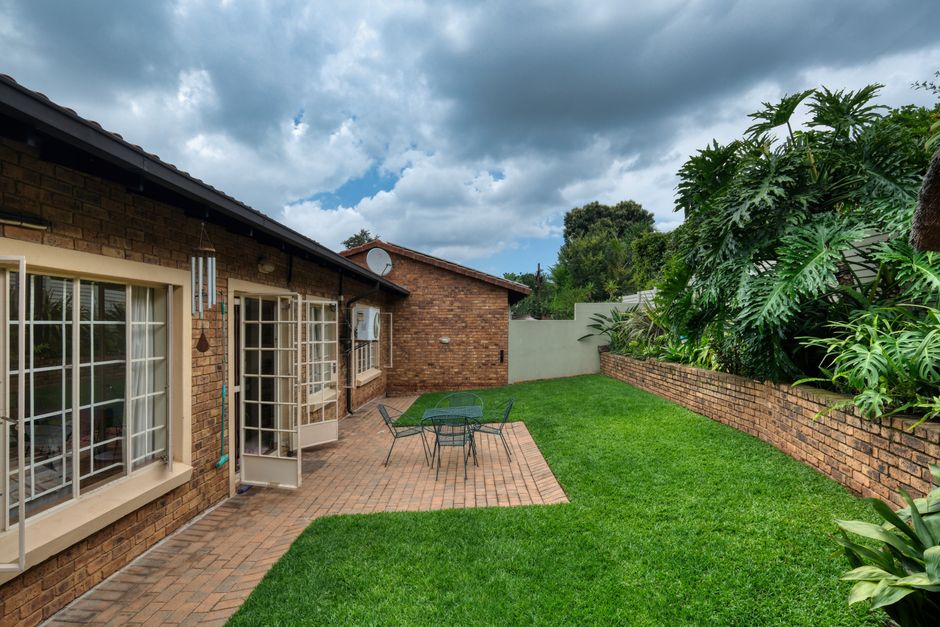
Map the activities the surface must support: everyday foot traffic, pets, play, outdoor furniture, a narrow side yard, or a decorative patch that receives little use. Then note hot reflected exposures, heavy shade, tree roots, downspouts, gates, utility covers, planting beds, and transitions to paving. Those conditions affect the layout and maintenance even when the turf itself is suitable.
Compare synthetic grass with sod, planting, paving, gravel, or a mixed design on function rather than “maintenance-free” language. Artificial turf does not need mowing or lawn watering, which can matter during Metro Vancouver watering restrictions, but it still needs cleaning, debris removal, edge and seam inspection, and occasional fibre care. It is also a plastic surface that will eventually need a repair or end-of-life plan.
Often a practical fit
- small, heavily used areas where natural turf repeatedly thins;
- defined pet or play zones with a cleanable layout;
- spaces where irrigation and mowing access are awkward;
- designs with clear perimeter restraint and drainage.
Pause before choosing it
- the area is already wet and the cause is unknown;
- large roots or continuing settlement will disturb the base;
- runoff has no confirmed lawful destination;
- the owner expects no cleaning, repairs, or eventual replacement.
Trace the complete rainwater path
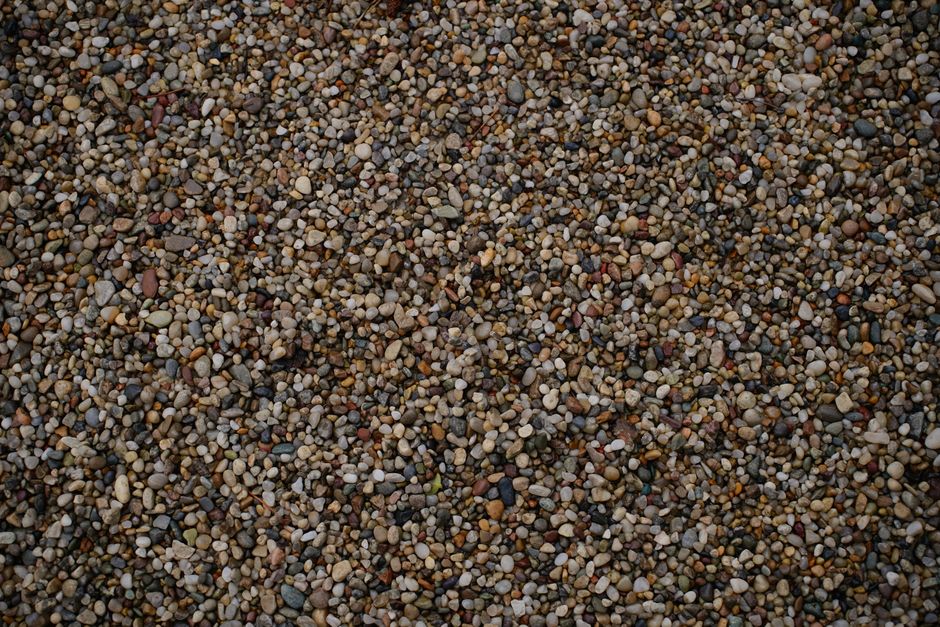
Follow rain from arrival to discharge. It may pass vertically through perforations in the backing, move laterally across the surface, enter an aggregate layer or drainage mat, reach a drain, or soak into suitable soil. Each transition can become the bottleneck. Penn State’s synthetic-turf research identifies poor surface grading and inadequate internal drainage as recurring construction problems and cautions that drainage aggregate must provide both stability and permeability after compaction.
The existing yard still matters. Check it during sustained rain, not only on a dry estimate day. Record standing water, soft soil, downspout discharge, neighbouring runoff, stained foundation edges, clogged catch basins, and low transitions. BC guidance on home-garden drainage stresses that subsurface drainage requires an adequate, legal outlet. A turf installer should not guess at an outlet or redirect water onto a neighbour, public way, or building.
- Surface: will rain pass through the backing, run to a drain, or use both paths?
- Base: will the specified aggregate remain stable and free-draining once compacted?
- Subgrade: is native soil firm, sloped, and able to support the assembly?
- Outlet: where can collected water legally and reliably go during prolonged rain?
Plan grades, edges, drains, and transitions together

Set finished elevations before excavation. The completed surface has to meet patios, walks, curbs, door thresholds, drains, planting beds, fence lines, and utility lids without creating a lip or basin. A grade that looks flat can still need a deliberate fall; the required direction depends on the property, receiving system, and municipal constraints.
Edge details do more than make the lawn look tidy. They restrain the turf, protect cut edges, support traffic, and help preserve the finished plane. Drains and cleanouts need to remain accessible. Where a turf edge meets soil or mulch, prevent loose material from washing onto the surface and clogging the drainage path.
Draw the roll orientation and likely seams on the same plan. Atkinson’s synthetic grass service page notes that stock roll width and complex cuts can affect material waste. Planning around fixed objects can reduce narrow pieces, conspicuous seams, and unsupported edges without sacrificing the drainage layout.
Excavation and access determine whether preparation is realistic
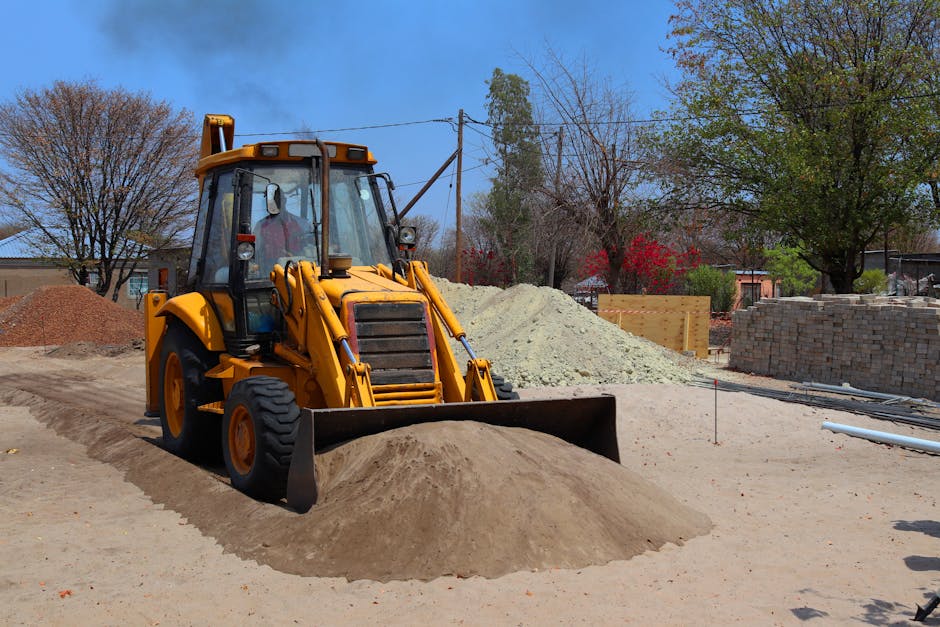
The existing sod, roots, loose fill, organic soil, and unsuitable material normally cannot remain as an unexamined foundation. Confirm the excavation depth for the selected system, then calculate how much material must leave and how the replacement aggregate will enter. Narrow side yards, stairs, protected paving, gates, fences, and occupied strata areas can make movement more significant than the square footage suggests.
Atkinson currently describes a 4–6 inch crushed-gravel base in its published synthetic-grass pricing guidance, while also identifying excavation, access, cuts, and waste as scope drivers. That is first-party service information, not a universal design depth. Native soil, loading, drainage, product requirements, finished elevations, and site constraints still need a project-specific assembly.
Before digging, identify utilities, irrigation, lighting, roots, drainage lines, wall footings, and other buried constraints. Stop if the plan depends on unknown infrastructure or if excavation could affect a retaining system, building drainage, waterproofing, or significant roots.
The base must be stable and permeable at the same time

A synthetic lawn takes the shape of its support. Soft pockets, abrupt aggregate changes, poor compaction, or an uneven final course can telegraph through as depressions, ridges, rocking edges, or visible seam lines. Yet adding excessive fines or compacting the wrong material can restrict drainage. The aggregate and installation method must satisfy both requirements.
Prepare and compact in controlled lifts appropriate to the specified material and equipment rather than trying to tighten a deep layer from the top. Check elevations repeatedly at fixed edges and drains. The finished base should be smooth enough to support the backing consistently while preserving the intended drainage route.
Do not treat geotextile as an automatic cure. Separation fabric, drainage mats, underdrains, and stabilization products each solve particular conditions and must be compatible with the soil and full system. If water continues to pond on the prepared base during testing, installing turf over it hides evidence instead of completing the drainage work.
Judge turf, seams, infill, and edges as one assembly

Compare samples in daylight and ask for the exact system details: fibre construction, backing and perforation pattern, intended use, infill if any, seam method, edge restraint, cleaning guidance, repair process, and written product requirements. A claim about how quickly a turf sample passes water is not proof that the installed yard will perform at the same rate.
Keep pile direction consistent across rolls and inspect colour under the light in which the yard will be seen. Position seams away from avoidable stress where possible, support them evenly, and close them without trapping fibres or leaving exposed adhesive. Curves, stepping stones, posts, drains, tree wells, and many narrow strips increase cutting and the number of vulnerable details.
- confirm the surface remains supported at every drain and penetration;
- protect edges from lifting, wheel traffic, digging, and washout;
- keep infill choice and amount tied to the selected product and use;
- record where seams and buried drainage components are located for future repair.
Pet use needs a cleaning and drainage plan

For a dog run or frequently used backyard, map the highest-use routes and likely toilet area. Solid waste still needs prompt removal, and rinsing only helps when liquid can pass through a clean surface and base to an appropriate outlet. A poorly drained low point can retain moisture and odour even if the turf product is marketed for pets.
Ask how the selected backing, seam adhesive, infill, cleaning products, and edge details fit pet use. Avoid unsupported “pet safe” assumptions based only on appearance; request current product documentation. Check whether a determined dog can reach or lift an exposed perimeter, and keep the design accessible enough to inspect and clean.
Surface temperature also deserves a site-specific check on exposed yards. Shade, orientation, surrounding paving, air movement, fibre colour, and season all affect comfort. Provide another usable surface or shade option rather than assuming artificial grass will feel like irrigated living turf in direct sun.
Plan routine care, inspections, and eventual repair
Remove leaves, needles, soil, and organic debris before they form a fine layer in the fibres or migrate toward drains. Use tools and methods approved for the product; aggressive metal tools, concentrated heat, harsh chemicals, or unsuitable power equipment can damage fibres, seams, or backing. Cornell’s turf guidance emphasizes routine debris removal, grooming, infill checks, seam repair, and drainage upkeep for synthetic systems, although a residential landscape needs its own maintenance frequency.
After prolonged rain, inspect for puddling, soft spots, displaced infill, sediment at edges, open seams, and blocked drains. After hot weather or heavy use, check flattened fibres, movement at furniture feet, and edge lifting. Early localized correction is generally easier than waiting for water or traffic to enlarge the defect.
Keep product names, colour batch, installation drawings, seam locations, maintenance instructions, and spare material if supplied. Before purchase, ask what can be repaired independently, how damaged sections are matched, and what happens to removed turf and infill at end of life.
Choose the system only after the site questions are answered
Synthetic grass is a strong option when it suits the use area and the preparation is treated as a drainage-and-surfacing project, not a carpet laid over soil. It is a weak fix for unknown ponding, unstable fill, uncontrolled runoff, or unresolved grades. The most useful proposal should define excavation, access, aggregate, water path, edges, seams, product system, cleaning, and exclusions clearly enough to compare.
If you are comparing synthetic turf with sod or another yard surface, contact Atkinson Landscaping with photos taken during rain, rough dimensions, access width, fixed elevations, pet or play requirements, and any known drain locations. That evidence makes the first site discussion more useful.
References and further reading
- Atkinson Landscaping: Synthetic grass options, preparation, and pricing factors
- Penn State Center for Sports Surface Research: Synthetic turf drainage summary and considerations
- Cornell University: Synthetic turf construction and maintenance overview
- BC Ministry of Agriculture: Soil improvement and drainage methods for home gardens
- Metro Vancouver: Current lawn watering restrictions