

The short answer: clear what blocks water or use, remove what spreads trouble, and leave what still has a job
A useful fall cleanup is selective. Keep drains, gutters, paths, stairs, entries, and vulnerable lawn areas clear. Remove diseased material and correctly identified invasive plants by an appropriate route. Leave sound stems, seed heads, and a controlled leaf layer where they protect soil or provide habitat without blocking drainage, smothering turf, or creating an access problem.
- Clear first: catch basins, property drains, eavestrough outlets, hard-surface routes, lawn mats, and debris against structures.
- Remove deliberately: diseased material, seeding weeds, storm-damaged pieces, and plants whose disposal guidance requires containment.
- Leave selectively: healthy perennial stems, seed heads, and leaves in suitable beds where they will not migrate into drains or hide a known problem.
- Record for assessment: repeated ponding, erosion, unstable branches, failed edges, and runoff whose source or lawful outlet is unclear.
In Surrey, Langley, White Rock, and nearby Lower Mainland communities, fall cleanup happens during the same period that sustained rain exposes drainage and access problems. The goal is not to make every bed bare. It is to make the property work through wet weather, reduce avoidable plant-health problems, and preserve useful material in the right places.
Atkinson lists seasonal cleanup and yard upkeep among its residential work. A cleanup visit can address routine landscape tasks, but drainage redesign, hazardous tree work, structural repairs, and unknown invasive plants need their own scope. Use the sequence below to decide what belongs in each category.
Start with a wet-weather priority map
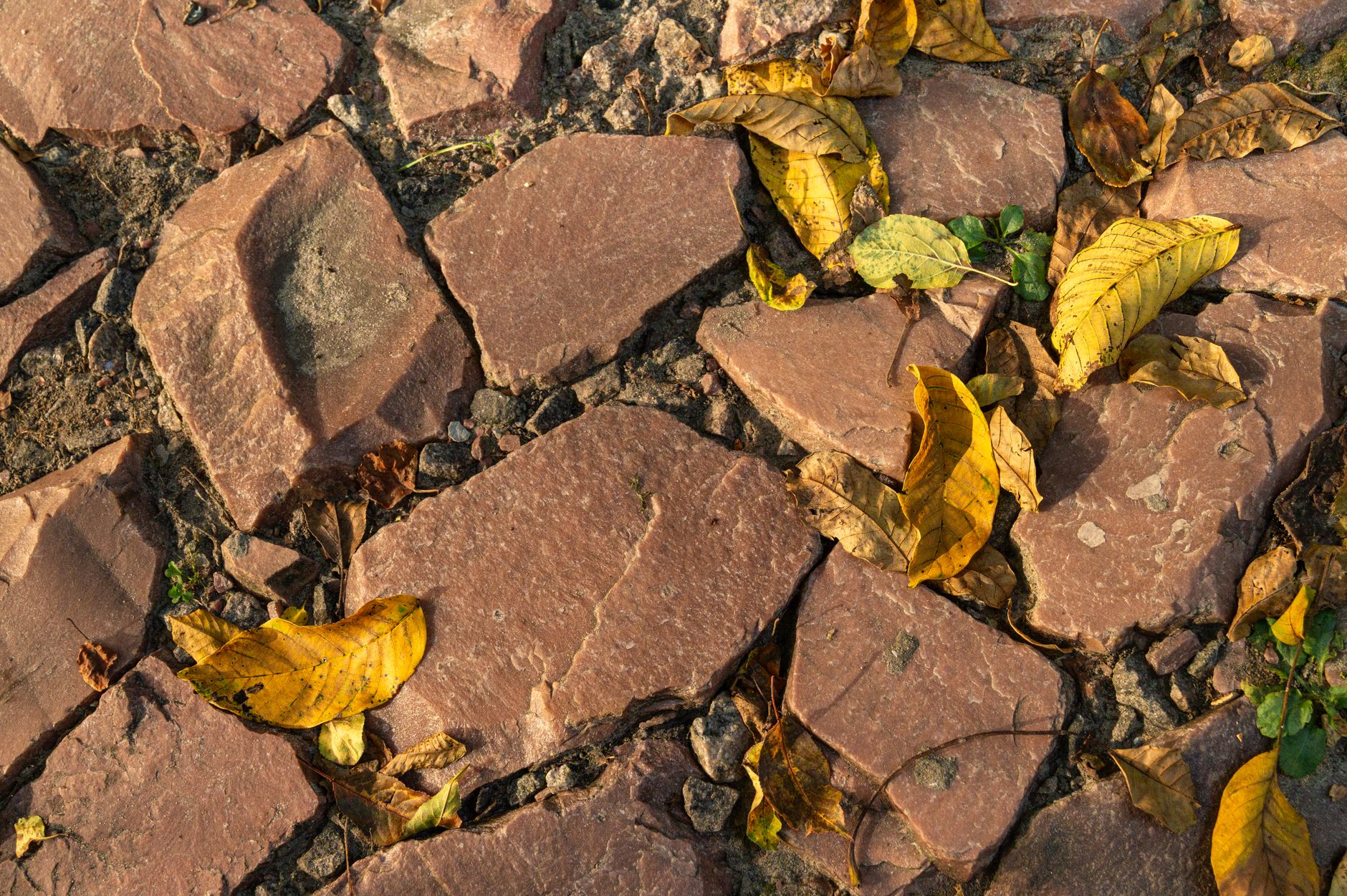
Walk the property before moving material. Mark the routes people use, low spots that receive runoff, roof-discharge points, catch basins, lawn panels beneath large trees, and beds where leaves naturally settle. Repeat the walk during or just after rain; dry-weather appearance can hide the path water actually takes.
Keep usable
Entries, steps, paths, gates, utility access, parking edges, and the route used to move bins or equipment.
Keep draining
Visible inlets, swales, channels, downspout outlets, curb gutters, and the surface route leading to them.
Keep observable
Wall bases, wood-soil interfaces, tree root collars, irrigation boxes, and places where movement or leakage is already being monitored.
Photograph wet-weather trouble before cleanup erases the evidence. The location and direction of flow are more useful to a contractor than a bag count after the leaves are gone.
Clear drains and hard-surface routes before cosmetic work
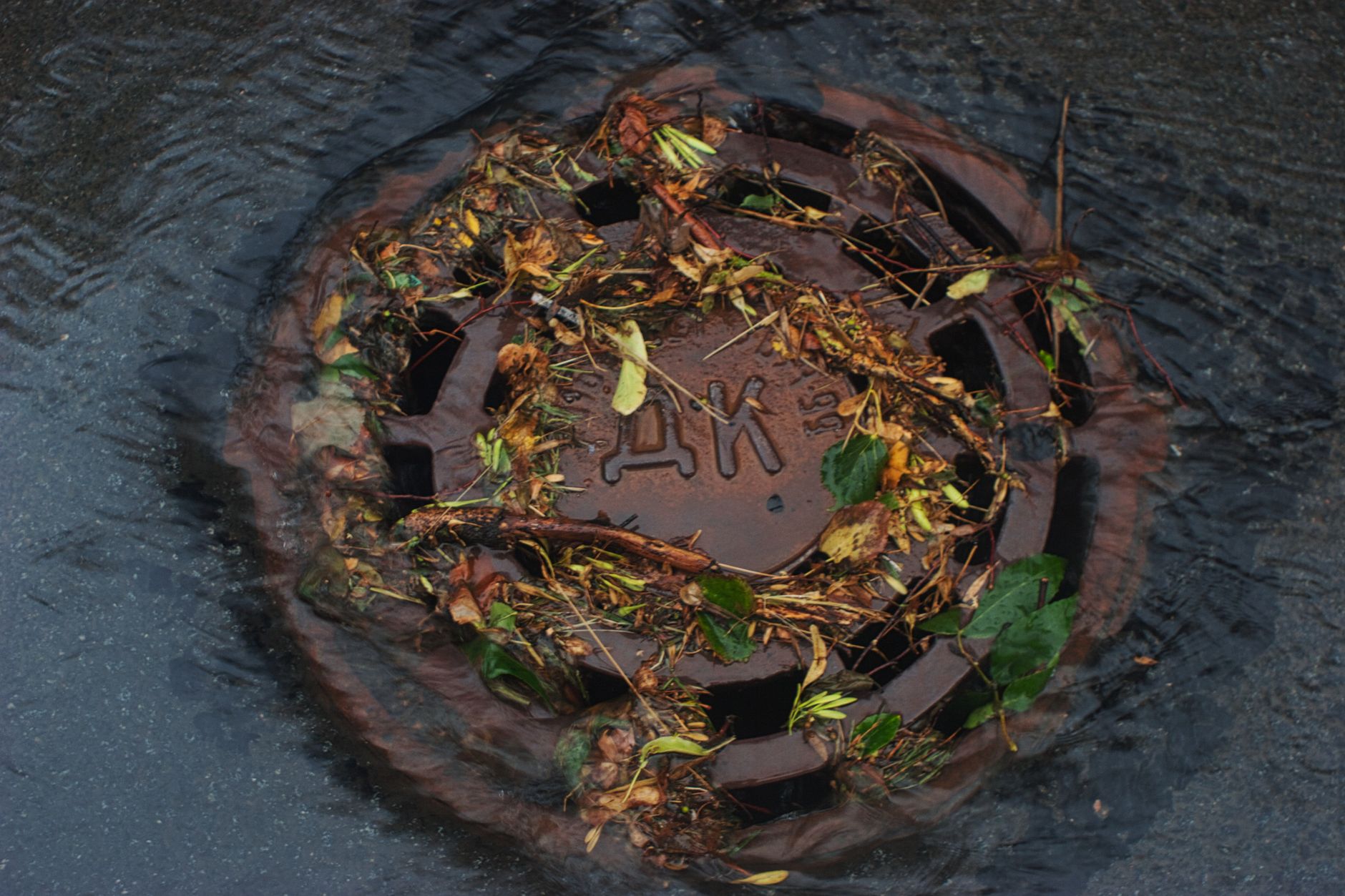
Surrey and Langley both advise residents to keep nearby catch basins, gutters, and property drains clear of leaves and debris. Surrey also says not to rake or blow leaves onto the roadway. Start at the outlet and work uphill so loosened material does not immediately cover the next grate.
- Lift loose leaves from accessible grates without entering the road or opening municipal infrastructure.
- Sweep soil, clippings, and organic litter from paving before rain carries them into the storm system.
- Clear eavestrough outlets and visible downspout discharge points; do not disconnect or redirect drainage without understanding the approved route.
- Keep steps and walkways legible, including changes in level, edges, and surfaces that become slick when covered.
If water rises despite a clear surface grate, a private drain repeatedly backs up, or runoff is moving toward a building or neighbouring property, stop treating the symptom as leaf cleanup. Document the event and arrange the appropriate drainage assessment.
Protect the lawn without trying to remove every leaf

Leaves do not need to be chased one at a time, but dense wet mats can shade turf, hold moisture at the surface, hide damage, and make the final cuts difficult. Prioritize deep accumulations, lawn edges where material dams water, and shaded areas that dry slowly.
Manage in place when
- the layer is light enough to process evenly with suitable mowing equipment;
- the turf remains visible and the ground is firm enough to work without rutting;
- the material is free of known disease and invasive-plant concerns.
Collect or relocate when
- leaves have formed a wet, continuous mat;
- they are drifting onto paths, drains, or neighbouring surfaces;
- the lawn is soft enough that equipment will compact or tear it;
- the leaves came from plants with a diagnosed sanitation issue.
Do not compensate for wet ground by cutting the lawn extremely short. Mowing height and final timing should respond to the grass, growth, weather, and equipment—not a desire to make the next visit disappear.
Separate diseased material from ordinary fall colour
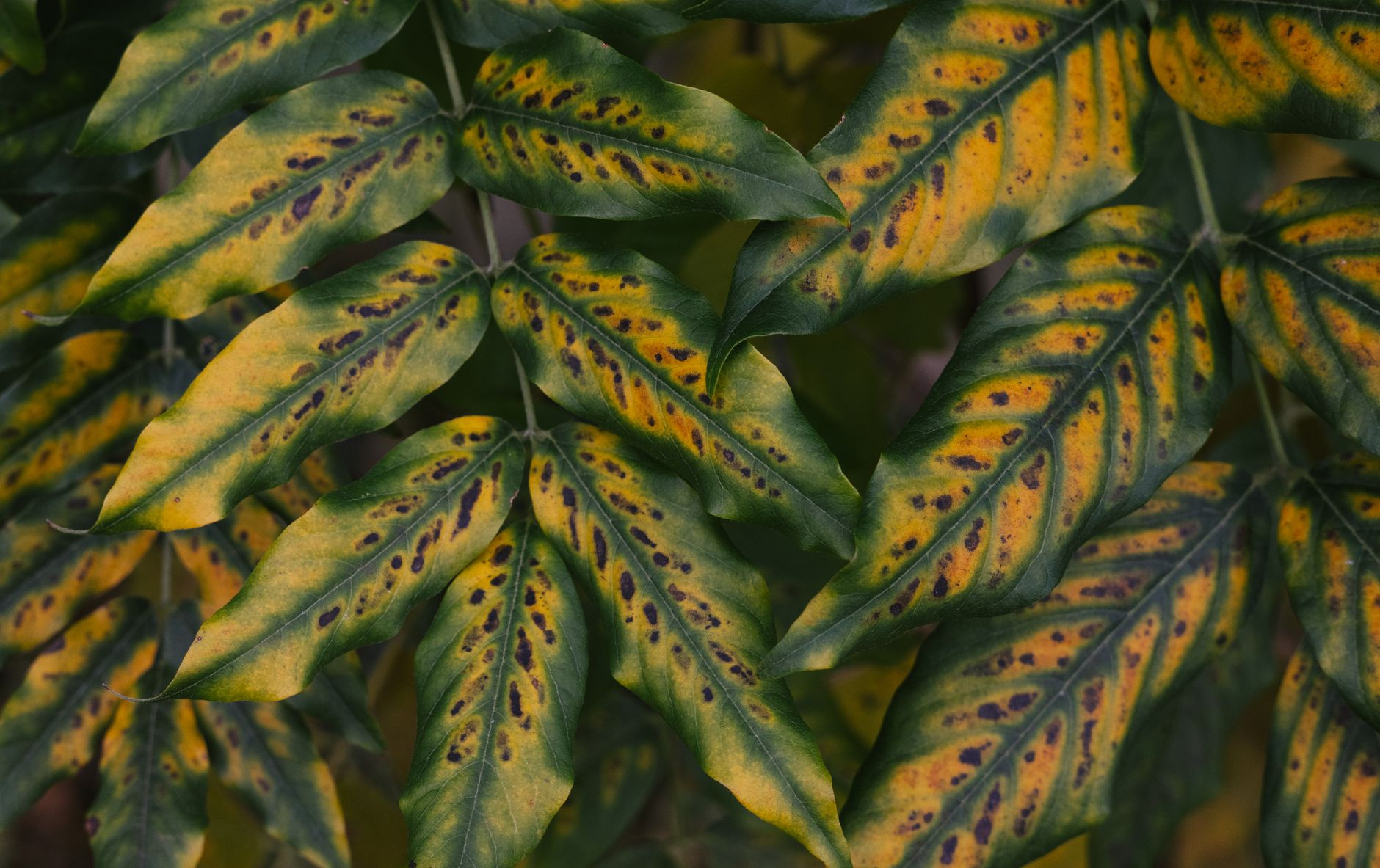
Normal senescence, drought stress, leaf spots, insect feeding, and root problems can all produce damaged-looking foliage. Before stripping a bed, identify the plant and photograph symptoms while leaves are still attached. Random spots, repeated damage on one species, collapsed crowns, or the same problem returning in one location deserve a more specific record than “dead leaves.”
University of Minnesota Extension recommends removing material affected by relevant leaf spots, rots, wilts, or other diagnosed disease while allowing healthy stems and seed heads to remain where appropriate. That principle is useful here, but local disposal rules and the actual diagnosis control the route.
- Bag or isolate material when an authoritative invasive-species or municipal source calls for containment.
- Do not mow, chip, or casually move an unknown invasive plant; some species spread from fragments.
- Clean soil and plant fragments from tools and equipment before moving to another part of the property.
- Do not assume a cool backyard compost pile will reliably destroy every pathogen, seed, or invasive fragment.
Leave healthy stems and seed heads where they fit

A fall bed does not need to look scraped clean. Healthy perennial stems and seed heads can provide winter structure and shelter, while leaves can protect soil and moderate the surface. Keep that material inside defined bed areas and away from trunk bases, building details, drains, and narrow routes.
- Retain sound stems that stand securely and do not block a path, sign, light, or sightline.
- Move loose leaves from turf and paving into suitable beds only when the species and material are appropriate.
- Remove collapsed, slimy, diseased, or aggressively seeding material where retaining it creates a real problem.
- Leave inspection space around woody stems, crowns, wall faces, and irrigation components.
Vegetation clearing can affect birds and nests. Environment and Climate Change Canada advises avoiding, adapting, rescheduling, or relocating work that could disturb an occupied migratory-bird nest. If a nest with birds or eggs is found, stop disruptive work in that area and follow current federal guidance.
Prune for a reason—not because the calendar says “cleanup”

Routine fall cleanup can remove broken, hanging, dead, or obstructive material that can be handled safely. It is not a universal cue to hard-prune every shrub, hedge, or tree. Flowering wood, evergreen response, cold exposure, nesting activity, plant health, and the desired form all affect timing.
Reasonable cleanup
Remove detached material, small dead twigs, suckers in a defined maintenance plan, and growth blocking a known route or inspection point.
Plan separately
Major rejuvenation, reduction near utilities, large limbs, storm damage, poor structure, or pruning that depends on species and flowering cycle.
Stop and assess
Cracks, hanging limbs, a shifting root plate, contact with conductors, an occupied nest, or work that cannot be reached from the ground with suitable tools.
For flowering shrubs, consult the local pruning-timing guide. A smaller fall scope is often better than removing next season’s flowers or exposing stressed plants immediately before severe weather.
Use rain to separate cleanup from drainage repair
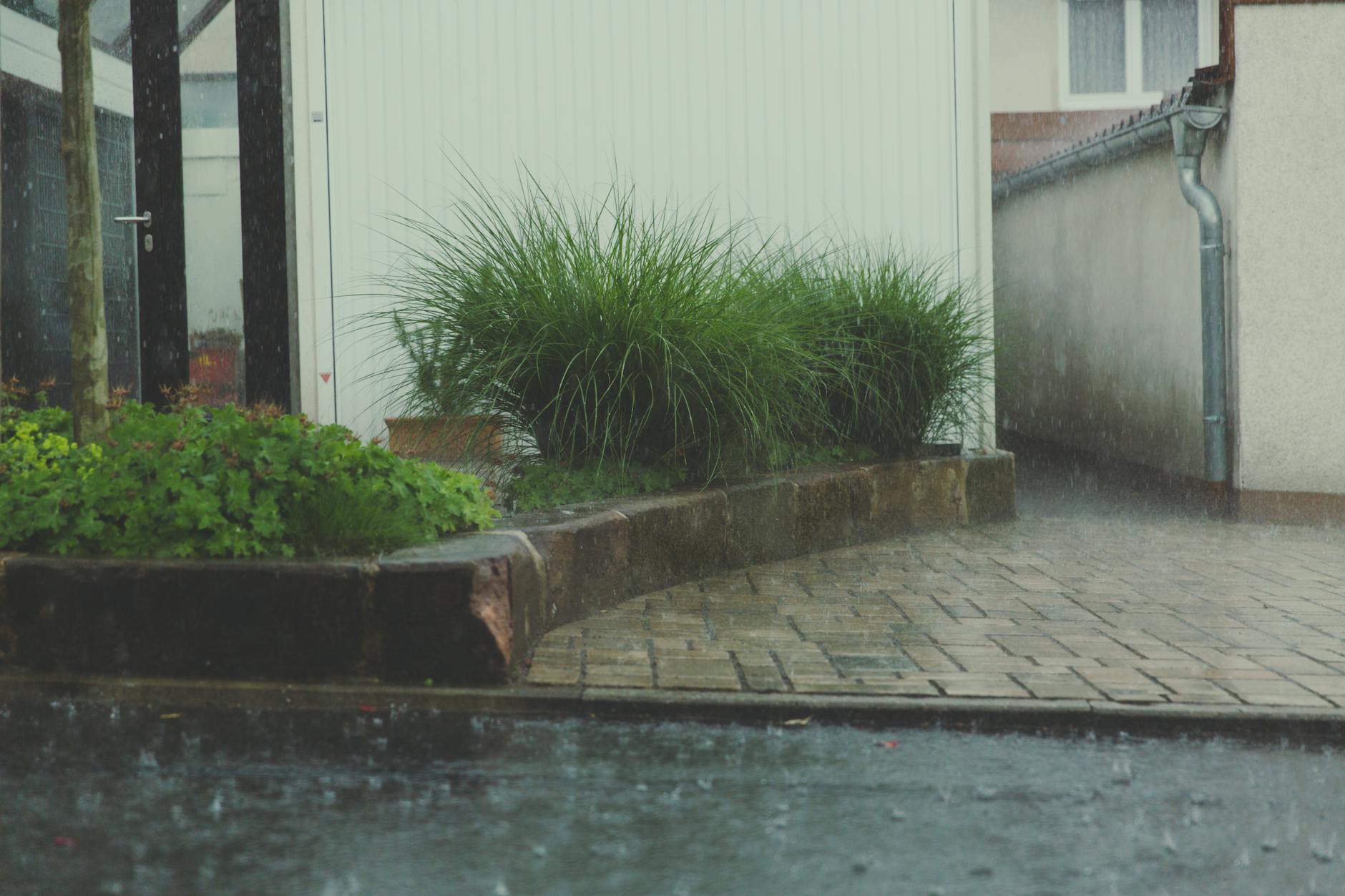
Revisit the property after the first meaningful rain following cleanup. Confirm that water reaches visible inlets, paths do not trap a new leaf dam, and relocated material stays in its intended bed. Watch lawn edges, downspout areas, wall bases, low paving, and fresh soil.
- Routine follow-up: a small amount of new leaf fall needs sweeping and the intended drainage route remains clear.
- Maintenance correction: edging, mulch, stored materials, or routine debris is blocking an otherwise understandable surface path.
- Separate investigation: water remains after surrounding areas drain, returns from below, erodes soil, crosses a boundary, or moves toward a building.
Use the yard-drainage inspection guide to record duration, depth, runoff direction, and soil condition. Do not cut an improvised trench or raise a bed until the source and lawful destination of the water are understood.
Route the material and close the loop

Keep separate piles for ordinary leaves, woody branches, diagnosed diseased material, invasive or regulated material, and garbage. Metro Vancouver’s composting guidance treats leaves and many garden trimmings as useful inputs while warning against invasive weeds. Municipal collection requirements still govern what can enter a cart, bag, bundle, or facility.
Surrey accepts specified yard and garden waste through its organics program and publishes current rules for extra material, branch bundles, weight, and wet-weather placement. Check the rules for the municipality and service address before setting material out; do not assume Surrey and every Langley jurisdiction use identical collection contracts.
Close this cleanup
- photograph cleared drains, routes, and known inspection points;
- record what was retained in beds and why;
- label unresolved plant-health, drainage, tree, wall, or access concerns;
- set the next check after heavy rain, wind, or the final major leaf drop.
Scope follow-up work
- identify the exact location and observed condition;
- separate routine maintenance from repair, redesign, or specialist assessment;
- retain wet-weather photos and measurements;
- avoid promising a fix before site facts are established.
For recurring lawn and seasonal yard care, review Atkinson’s residential maintenance service. If cleanup exposes a drainage, grading, planting, or repair question, send photos and the wet-weather observations so the next step can be scoped from the actual property.
References and further reading
- Atkinson Landscaping: Residential mowing, lawn care, and seasonal cleanup
- City of Surrey: Flooding prevention tips for homeowners
- City of Surrey: Water pollution and storm-drain guidance
- City of Surrey: Waste collection carts and excess yard waste
- City of Langley: Tips to prevent flooding
- Metro Vancouver: Managing stormwater in your yard
- Metro Vancouver: Backyard composting guidance
- University of Minnesota Extension: Fall cleanup, plant disease, pollinators, and wildlife
- Environment and Climate Change Canada: Guidelines to avoid harm to migratory birds